If you invest adequate time on a fitness center flooring, you at some point see something that makes your belly decline. For me it was a middle‑aged participant on a treadmill that stepped off, ordered the rail, and went directly down. No dramatic collision, just a slow-moving layer to the ground and silence.
The difference in between that coming to be an awful tale and a scary memory boiled down to 3 points: just how fast staff recognized problem, whether somebody began CPR within the first minute, and whether anyone on site in fact remembered their first aid training when adrenaline spiked.
That is where well developed express first aid and CPR courses pay for themselves.
This is not regarding ticking a box for insurance coverage. It is about developing a society in which your trainers, assistants, and child care assistants are genuinely prepared to act, even if they finished a fast first aid course in between early morning PT customers and the lunchtime rush.
Why fitness centers need greater than "sound judgment" in an emergency
Fitness atmospheres bring a really specific threat profile. You have people pressing their cardio system to the side, try out heavy tons, stabilizing on unstable surface areas, and often training while dehydrated, exhausted, or concealing hidden health issues.
Over the years I have seen, or been phoned call to help with, all of the adhering to during gym shifts or seeking advice from brows through:
A young powerlifter that blacked out mid‑squat and struck the shelf heading down.

An older customer that quit mid‑elliptical, sat on the side, and quietly got on cardiac arrest without any significant wheeze or shout.
A childcare area in a family members fitness center where a kid choked on a piece of apple that a parent firmly insisted was "little adequate".
The void in between a scare click here and a fatality is frequently gauged in seconds to a couple of mins. A rescue staff can not link that void alone. Your personnel are the first -responders, whether they really feel prepared or not.
First aid and CPR training, when customized for fitness centers, focuses personnel on exactly those moments. When supplied as express first aid courses or fast CPR refresher courses, they identify that staff time is scarce yet the threat is real.
What "express" or "fast" actually implies in first aid training
There is a misunderstanding that an express first aid course is simply a watered‑down variation of a common course. That can be true with low‑quality carriers. Done effectively, "express" or "fast" generally refers to how the understanding is structured, not what is removed away.
In technique, great express first aid training does three things.
First, it separates concept from hands‑on work. Staff full concise pre‑course concept online at their own speed, consisting of quizzes on CPR proportions, indicators of stroke, anaphylaxis, and fundamental wound treatment. That implies the in‑person block can focus entirely on situations and practice.
Second, it targets the atmosphere. A common first aid course attempts to cover home, road mishaps, and office risks in one move. Express first aid courses for health clubs and gym reduced the fluff and hang around on points that really take place in your space: exertion‑related cardiac arrest, fainting, head knocks in call sporting activities, asthma strikes throughout group classes, and choking in the café or childcare area.

Third, it reduces idle time. Traditional all‑day courses often waste time on long breaks, administrative chatter, and repetitive presentations. A well run fast first aid training session relocates quickly, utilizes several manikins, and turns team so no one is standing in line waiting to have a turn.
The end result is a fast first aid course that can supply a legitimate first aid certificate, meets regulatory criteria, and still fits into a half‑day or pressed routine. That is exactly the sort of style that busy health and fitness and gym staff can in fact attend.
Core skills your team should walk away with
Whether you choose a standard or express first aid course, the non‑negotiable material coincides. For health clubs, I look for first aid and CPR courses that leave team really qualified in a tight collection of skills.
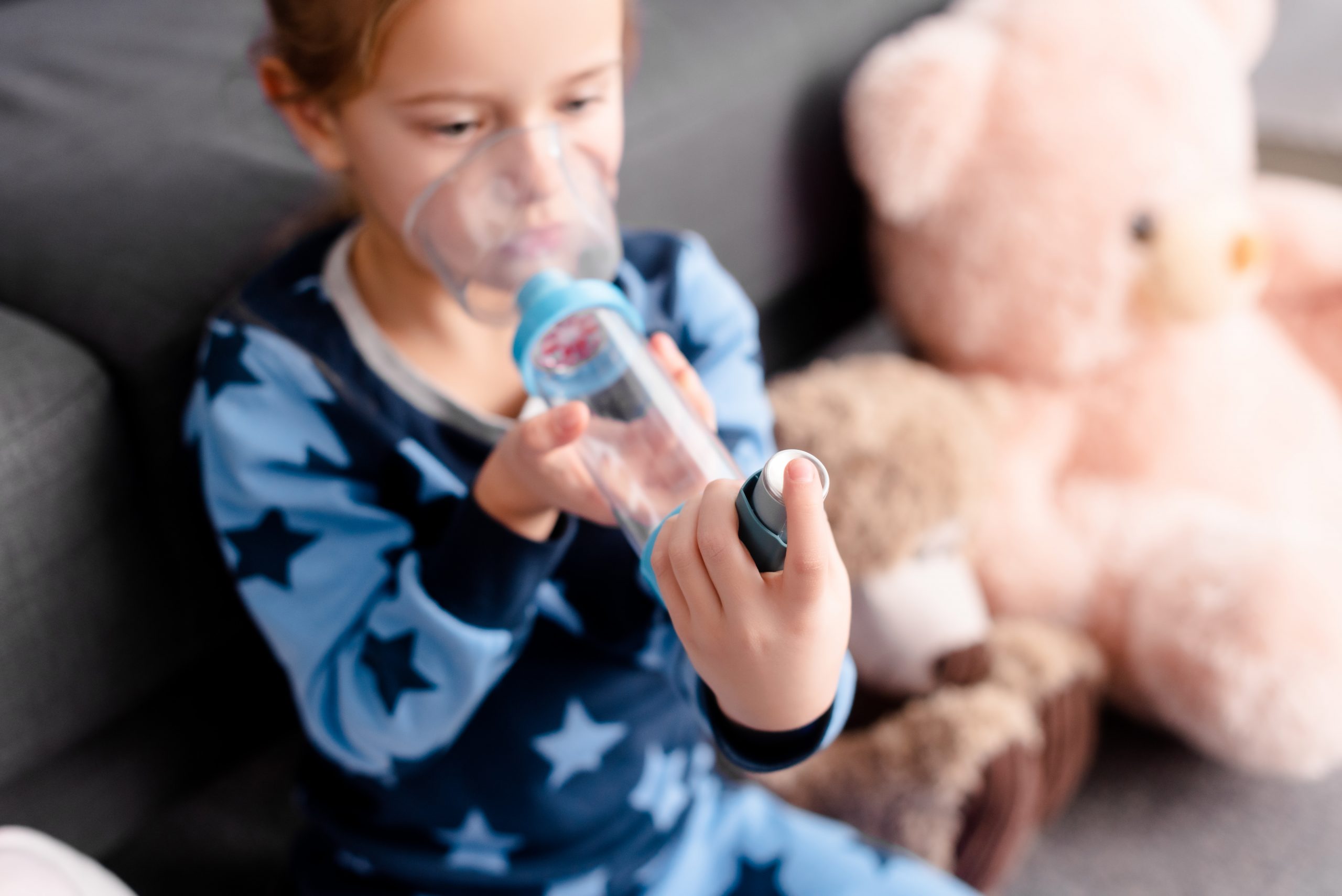
Here is a sensible checklist of results that matter more than the trademark name on the certificate:
- Recognize heart attack quickly and begin effective CPR within 60 seconds Use an AED with confidence, consisting of pad positioning and following motivates Manage choking in adults, kids, and babies with proper technique Handle usual fitness center cases: strains, fractures, head knocks, hemorrhaging, collapsing, warmth ailment, and bronchial asthma Coordinate an emergency response: calling EMS, directing bystanders, documenting the incident, and sustaining family or friends on site
If a service provider provides "fast first aid courses" however can not show how they create those proficiencies, maintain looking. A brief first aid and CPR course can still include duplicated hands‑on practice, scenario‑based understanding, and abilities assessment.
Making express CPR training sensible for fitness settings
CPR courses have actually developed from passive talks to extremely interactive sessions completely factor. Compression deepness, rate, and recoil top quality straight influence survival. In a fitness center context, where sudden cardiac arrest is just one of the most critical occasions, an express CPR course have to focus on realism.
In a regular express CPR training block that I run for health clubs, we simulate circumstances team may see by themselves flooring. As an example:
A participant falls down on a rowing maker throughout a high‑intensity interval course. The songs is loud, lights are dark, and everyone assumes he is tired. Personnel need to identify that he is unresponsive, clear space, ask for the AED, and start chest compressions while one more team member calls emergency situation services.
A routine member leaves the sauna, strolls unsteadily toward the adjustment areas, and goes down to the floor. Personnel have to execute a fast evaluation: is this fainting, warm disease, or heart attack? They after that act appropriately, with or without onlooker assistance.
Those situations are woven right into the express cpr courses so the movements feel acquainted. Team technique getting the actual AED from your wall surface, not a generic situation from a training center. They find out where to place themselves around your benches and makers, which doors to open to assist paramedics, and how to manage stressed members attempting to movie the scene.
When you listen to "fast cpr" or "express cpr training", ask especially concerning just how much hands‑on time each participant obtains. For gym team, I aim for a minimum of two or 3 complete cycles of substitute arrest per person, with scheduled first aid training classes responses on technique. If that does not fit in a solitary block, spread it over two shorter express cpr courses instead of packing every little thing right into one rushed session.
Integrating first aid and CPR into day-to-day fitness center operations
One of the biggest mistakes I see is dealing with first aid and cpr training classes as a once‑a‑year compliance drill. Abilities discolor swiftly if they are not reinforced. In active health clubs, team can go months without a major case, so their confidence drops also much faster than their knowledge.
The fitness centers that deal with emergencies efficiently have a tendency to do a couple of simple things.
They develop short refresher courses into staff meetings. A fast cpr refresher course does not have to indicate one more formal course every quarter. 10 mins of compressions on a manikin during a group huddle, a fast walk‑through of where the first aid kit and AED are located, or a five‑minute testimonial of how to take care of an asthma assault all maintain skills alive.
They function dip into the very least one occurrence per quarter. Absolutely nothing sophisticated, simply a quick "What would you do if ..." instance where staff talk via steps. For example, "A participant collapses in the squat shelf" or "A kid in the children area is hissing and gripping their chest." These conversations make the actual thing feel less foreign.
They maintain equipment noticeable and basic. If your AED is hidden in a workplace behind a locked door, you have currently lost valuable time. Location AEDs and first aid sets near high‑traffic locations, identify them clearly, and show every brand-new hire specifically how to accessibility them.
Express first aid training can establish the structure, however those everyday and once a week touchpoints are what maintain it alive.
Choosing an express first aid course that in fact fits your gym
Many gym proprietors type "fast first aid course near me" right into an internet search engine and enroll in the initial company with a good cost and a readily available area. In some cases it exercises. Commonly it does not.
Instead, veterinarian carriers and layouts similarly you would veterinarian a new head trainer.
Ask just how they customize their first aid courses for health and fitness settings. A supplier who understands gyms will speak about exertional collapse, AED positioning, spine injuries from diminishes boxes, and handling hemorrhaging around machines and equipment.
Clarify whether the express first aid course offers country wide acknowledged or industry‑standard certification, not just a presence note. You want personnel to walk away with a legitimate first aid certificate and, where policies require, CPR accreditation.
Discuss organizing. Express first aid courses are beneficial exactly since they respect your operations. Excellent companies will certainly deal with you on morning blocks before classes, mid‑day off‑peak sessions, or split courses across 2 shorter days so you do not need to close your facility.
Check ratios and manikin access. An express first aid training session with 20 team and two manikins results in standing around, not finding out. Aim for little trainer‑to‑participant proportions and enough devices for repeated practice.
Finally, ask about follow up. Some companies supply on the internet fast cpr refresher course modules, brief video tips, or yearly express cpr courses at discounted rates. This kind of continuity keeps your personnel educated without having to restore knowledge from square one each year.
Where childcare changes your risk and your training needs
Gyms with child care facilities run a various classification of risk entirely. Little ones have smaller respiratory tracts, different crucial sign ranges, and a propensity to place items in their mouths. Their emergencies often start discreetly and rise quickly.
If you run a creche, kids club, or any kind of supervised backyard, a generic express first aid course is not nearly enough. Look especially for express childcare first aid courses that cover:
Paediatric CPR, consisting of baby and kid compression deepness, proportion, and air passage management.
Recognition and monitoring of common childhood years emergencies, from high fevers and seizures to allergies and asthma.
Choking in babies and toddlers, with proper back impacts and upper body drives, which vary from grown-up techniques.
Safe handling and monitoring after small head knocks. Children commonly appear "fine" after an autumn, after that show stressing signs later.
Providers using express child care first aid training frequently build this content into the wider first aid and cpr course, which helps maintain staff time manageable. Some run combined models where childcare personnel complete paediatric modules online, after that participate in a concentrated in‑person express child care first aid course to consolidate skills.
In combined centers, I like incorporated express child care first aid courses rather than separated training for the kids team. Front desk team, fitness teachers, and coffee shop workers may all be the very first to observe a child in distress. Broad understanding assists cases move promptly to the ideal person.
Fast certification without giving up quality
From a company viewpoint, fast certification has noticeable appeal. You keep rosters intact, decrease overtime, and stay clear of shutting your fitness center or terminating classes. The trap is thinking that shorter instantly implies worse, or that faster always indicates better.
The high quality of an express first aid course hinges on design, not duration.
A three‑hour express first aid training block with clear purposes, engaged instruction, circumstance job around your equipment, and truthful abilities assessment can be a lot more efficient than a bored eight‑hour course in a resort seminar room.
At the very same time, if you compress web content too much, you obtain "tick and flick" training where nobody is absolutely assessed. You may obtain first aid certifications for the documents, but in a genuine emergency situation those certificates will not keep any person alive.
The balance point relies on the mix of your team. Highly seasoned instructors that have taken several first aid and cpr training classes might only require express first aid refresher sessions every year, plus normal CPR updates. Junior team or those brand-new to health and fitness might need a complete first aid and cpr course at first, with express leading ups later.
I usually suggest a blended version for busy gyms.
New works with complete a comprehensive first aid and cpr course, including on the internet pre‑work, a strong in‑person day, and formal analysis. Afterwards, they sign up with the rest of the team for express first aid courses every one to two years and fast cpr correspondence course sessions annually.
This means, your workforce remains present without you melting days of performance each time.
How first aid matches your more comprehensive danger and culture
First help sits within a larger picture of security and professionalism and trust. When I audit fitness centers, I look at three overlapping layers.
The physical environment: Are walkways clear, tools kept, and indication noticeable? Are AEDs and first aid sets accessible and equipped? Is there cold water and color for outdoor classes? First aid training will not make up for a messy, badly maintained room that invites accidents.
The individuals and procedures: Do rosters always include a minimum of someone with up‑to‑date express first aid and cpr training? Are case reports used as learning devices as opposed to finger‑pointing exercises? Do team recognize which manager to call when an emergency goes beyond their comfort?
The culture: Do fitness instructors really feel honored that they can respond in a dilemma, or do they see first aid as an uninteresting human resources demand? Are near‑misses reviewed in group meetings so everyone finds out, or brushed aside due to the fact that "nothing negative took place"?
When you installed express first aid courses and fast cpr training into that culture, something important shifts. Team start to check the area in different ways. They see the individual getting abnormally light on the assault bike, or the client continuously holding their chest in between sets. They speak up earlier and with more authority.
That is the genuine value of buying first aid and cpr course pathways, not just solitary training days. It changes how your team moves through the space.
Practical actions to start or level up
If you go to the phase of "We know we need Go to this site to do more, but we are hectic", here is a simple method to move.
- Map your danger: list height hours, high‑risk areas, and child care areas, after that keep in mind where first aid trained team are currently rostered Audit your existing training: who holds an existing first aid certificate, who has current cpr courses, and when they end Find 2 to 3 service providers offering express first aid courses or fast first aid courses and ask how they customize for gyms and childcare Plan a 12 to 24‑month schedule that mixes full first aid and cpr course sessions for new personnel with express first aid training and fast cpr refreshers for everyone else Build micro‑refreshers right into group rhythms: ten‑minute drills, quick conversations after any kind of incident, and noticeable reminders of emergency procedures
Once that structure remains in area, it comes to be regular. Personnel anticipate to attend an express first aid course every so often, just as they anticipate to finish continuing education for their physical fitness certifications. New works with comprehend that first aid and cpr are non‑negotiable components of the job, not optional extras.
A last word from the gym floor
I still think of that member that fell down off the treadmill. We had an AED on website, and 2 instructors had actually just completed an express cpr course the week previously. One identified agonal breathing for what it was, not "snoring", and started compressions immediately. The various other got the AED, attached the pads appropriately, and followed the triggers. Paramedics showed up to discover high‑quality CPR currently underway. The guy strolled back into the gym two months later on, a little thinner, a lot a lot more mindful, and extremely grateful.
That outcome was not luck. It was the product of training that really felt realistic to personnel, supplied in a style they actually participated in, with adequate rep that under tension they did not freeze.
If you run or handle a health club, you will certainly not keep in mind the exact cost of your express first aid courses five years from now. You will certainly bear in mind the day something went wrong and your group knew what to do. That is the day when every hour you invested in first aid and cpr training classes will feel like the best choice you ever before created your participants, your staff, and your own peace of mind.